


In the dynamic realm of pharmaceuticals, marketing strategies play a pivotal role in shaping the industry landscape. As we navigate through the latest developments, it’s evident that the convergence of healthcare and technology is revolutionizing pharmaceutical marketing practices.
The digital revolution has ushered in a new era for pharmaceutical marketing. With the proliferation of digital platforms and tools, pharmaceutical companies are leveraging social media, mobile apps, and targeted online advertisements to engage with healthcare professionals and consumers. Digital channels offer unparalleled reach and precision targeting, enabling companies to deliver personalized content and enhance brand awareness.
Data analytics is driving informed decision-making in pharmaceutical marketing. By harnessing big data and advanced analytics techniques, companies can gain valuable insights into consumer behavior, preferences, and market trends. These insights empower marketers to optimize their strategies, tailor messaging, and allocate resources more effectively, ultimately driving better business outcomes.
In today’s patient-centric healthcare landscape, pharmaceutical marketing is increasingly focused on enhancing the patient experience. Companies are investing in patient education initiatives, support programs, and digital health tools to empower patients and improve health outcomes. By fostering meaningful connections with patients, pharmaceutical companies can build trust, loyalty, and longterm brand value.
With stringent regulatory requirements governing pharmaceutical marketing, compliance remains a top priority for industry stakeholders. Marketers must navigate complex regulations and guidelines to ensure that their promotional activities adhere to legal and ethical standards. Embracing technology solutions such as digital asset management platforms and compliance software can streamline regulatory processes and mitigate compliance risks.
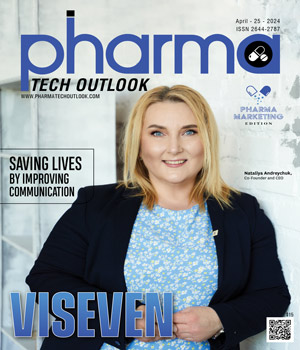
In this edition, we have featured Viseven. The company seeks to go beyond marketing strategy and aims to provide services that save lives by improving communication between pharma companies and patients. It ensures marketing content is reliable, engaging, understandable and empowering. Compelling stories influence people’s thoughts, emotions, and, eventually, behaviors.